



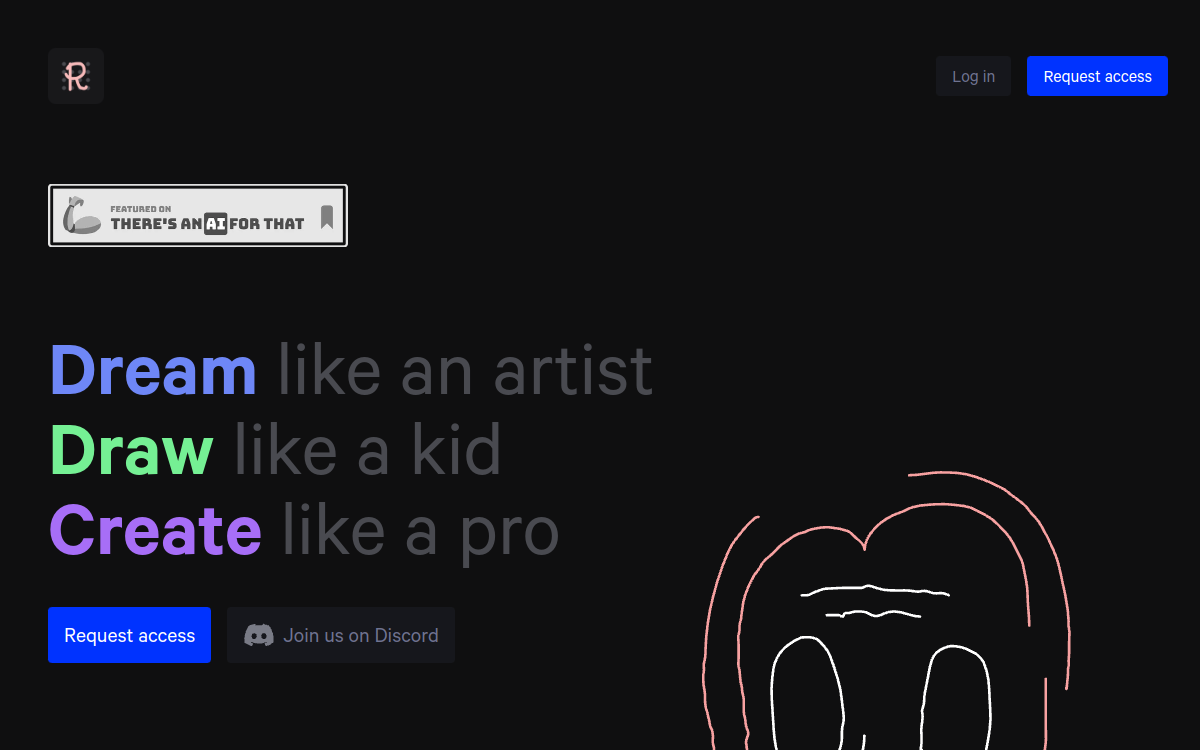
Generative AI has transformed creative practices in recent years. Where it used to take hours, or even days, to produce a reference sketch or a mood board, it is now possible to get dozens of variations in a few minutes. Roughly fits into this dynamic by offering a platform that covers an unusual range of creative fields: architecture, fashion, characters, landscapes, games, sculptures, and much more. This versatility makes it an interesting tool for artists, designers, and studios who want to explore multiple disciplines without changing environments. This article reviews the features, use cases, and limitations of Roughly to help you determine if the platform fits your creative practice and workflows.
What is Roughly?
The essentials
Roughly is an artificial intelligence-assisted visual creation platform designed to help creatives quickly explore concepts across a wide variety of fields. The tool combines several AI models to offer generations tailored to each theme: realistic portraits, character illustrations, architectural visualizations, landscapes, fashion, sneakers, and mockups. Beyond simple generation, the platform offers project management tools to organize iterations and plan work stages. An active Discord community completes the experience, allowing the sharing of best practices and inspiration among creators.
Key features
Roughly stands out for the diversity of fields it covers. Key features include architectural image generation, which is particularly useful for visualizing building or interior design concepts. The portrait module allows the creation of diverse faces with a high level of detail, useful for game studios and illustrators. The fashion module helps explore clothing or accessory concepts in a few iterations. For game creators, the tool offers character, environment, and object generation. Roughly also offers landscape, sculpture, sneaker, and product mockup modules, covering a wide range of uses. The platform integrates project management tools to organize iterations, plan steps, and keep track of inspirations. The active Discord community allows users to exchange with other creators and discover new approaches. Finally, the interface is designed to be accessible to non-technical creators, with guided prompts to facilitate getting started.
Use cases
Roughly finds its utility in several creative disciplines. An architect can use the tool to quickly visualize several variations of a project before producing the final plans. A fashion designer can explore different silhouettes or colors for an upcoming collection. A character illustrator can generate variations of a protagonist for a book or a video game. An independent game studio can use it to produce concept art at scale without overloading the team. A photographer can use the platform to create mood boards or visual references before a shoot. Finally, brands can use it to explore packaging or advertising visuals beforehand.
Advantages
Adopting Roughly brings several benefits for creatives. The first is the speed of ideation: it becomes possible to explore dozens of avenues in a few minutes where a manual approach would take days. The second benefit is versatility: a single tool covers multiple disciplines, simplifying the work stack. The third advantage is the continuous inspiration offered by the Discord community and the diversity of available styles. Finally, the project management features allow structuring creative work without relying on an external tool.
Pricing
Roughly offers free access to discover the main features and test the quality of generations. For regular creators, paid plans unlock additional generations, access to all advanced styles, and extended project management features. Pricing details are subject to change depending on the activated modules. The platform favors a progressive access model, with certain features opened first to community members or invited creators.
Conclusion
Roughly is an interesting platform for creatives who want an ideation companion covering multiple disciplines. Its versatility and the surrounding community make it a relevant tool for artists, designers, and studios looking to quickly explore concepts. For those who prefer a broad and inspiring approach, Roughly deserves a place in the creative toolbox.